Blog

Every spring, a familiar wave of stress rolls through households with young children. The school year is winding down, and right alongside report cards and teacher appreciation gifts comes the realization that a childcare plan for summer does not yet exist. If your child attends a preschool that closes for the summer, you already know this feeling. Suddenly, reliable, structured care that worked beautifully from September through May has an expiration date, and the clock is ticking.
For working parents, this is a genuine logistical crisis that repeats itself every single year. The costs are real, the disruption to children is real, and the mental load it creates is significant. This post looks honestly at why the summer preschool gap causes so much stress, what it costs children developmentally, and how year-round preschool programs eliminate the problem entirely.

For parents wondering when to introduce coding, robotics, or computational thinking, the research points in one direction: the earlier, the better. At East Valley Christian School in San Jose, building these skills is a core part of an education that begins in preschool and continues through middle school.
This post explores what early STEM education looks like in practice, why problem-solving skills help across every subject, and how a thoughtfully designed program can give your child a head start.

When parents hear "Christian school curriculum," the assumptions can go in two very different directions. Some picture a program heavy on Bible stories and light on everything else. Others assume that faith integration must come at the expense of academic substance — that something has to be sacrificed to make room for spiritual content.
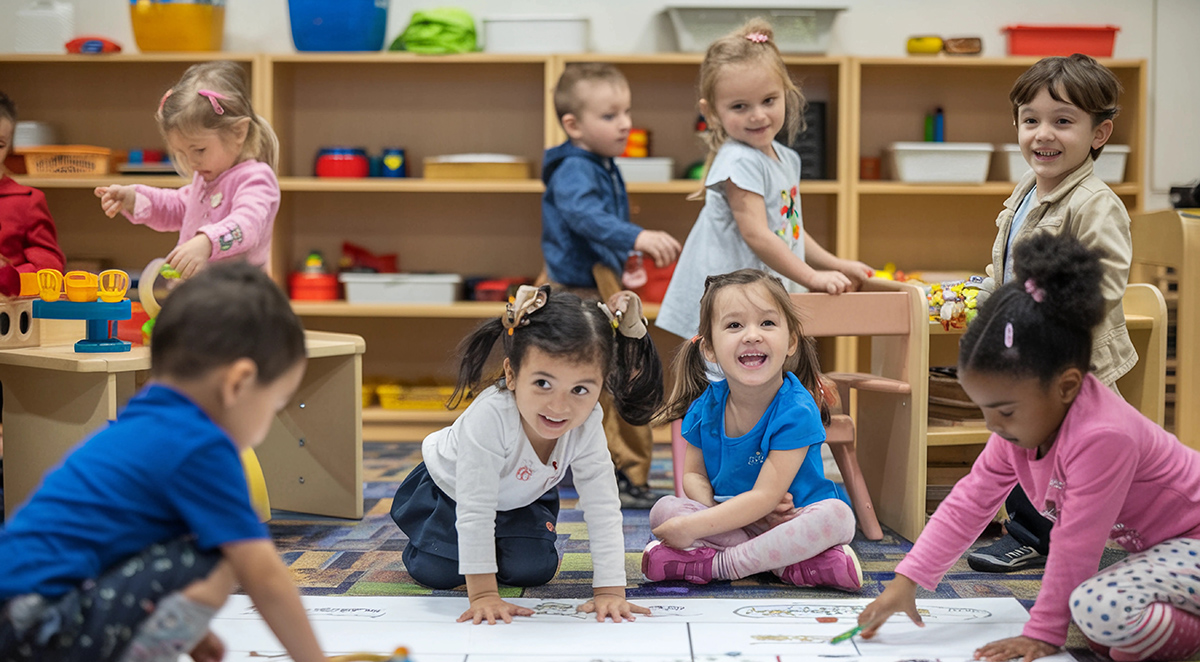
Your child is enrolled in preschool. The classroom looks cheerful, the teachers seem kind, and your little one comes home happy. But here's the question that keeps nagging: is this program actually preparing them for kindergarten — or just keeping them busy until pick-up?