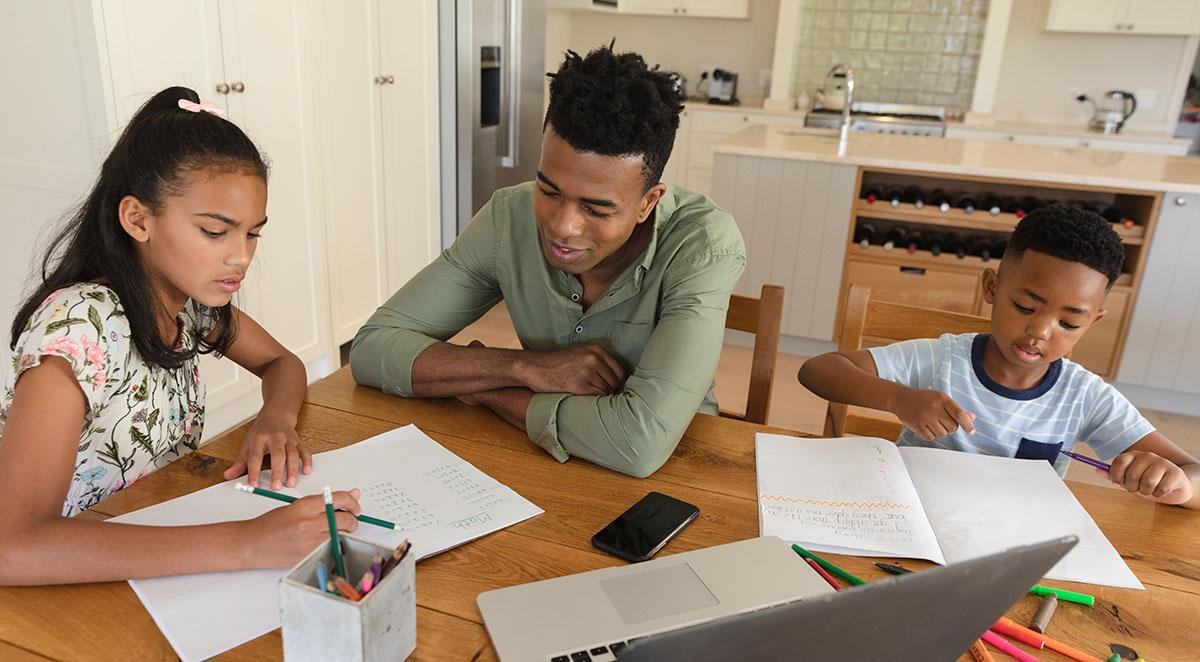
When families choose Christian education, they're seeking more than just academic excellence—they're looking for a community that shares their values, supports their parenting goals, and helps their children develop into young adults of character and faith. The most successful Christian schools understand that education works best when it's truly a partnership between school and family, where both home and classroom work together to nurture the whole child.
This partnership approach creates something special: a genuine community where students don't just attend school but belong to an extended family that cares about their success, character, and spiritual growth. When parents, teachers, and students all work toward the same goals with shared values, the result is an environment where children thrive academically, socially, and spiritually in ways that extend far beyond the classroom.
1. The Foundation of Strong Educational Partnerships
True educational partnerships go beyond the traditional boundaries of school and home. They create seamless connections where parents and teachers work as allies, sharing insights, celebrating successes, and addressing challenges together. This collaborative approach recognizes that parents are their child's first and most important teachers, while schools provide expertise, resources, and community that enhance family efforts.
Shared Values Create Common Ground
The strongest school-family partnerships develop when both parties share fundamental beliefs about education, character, and child development. In Christian educational communities, this shared foundation includes:
- Biblical worldview that guides both academic instruction and character formation
- Commitment to excellence in all areas of life, from academics to relationships
- Understanding of each child's unique worth as a beloved creation of God
- Emphasis on service and compassion as expressions of faith in action
- Long-term vision for developing young people who lead with integrity
When parents and teachers operate from these shared principles, they can work together more effectively because they're moving toward the same goals using the same compass. Children benefit immensely from this consistency, as they receive reinforcing messages about what matters most in life.
Communication as the Cornerstone
Effective partnerships require ongoing, open communication that goes beyond the basics of homework and grades. The most successful Christian school communities create multiple channels for meaningful dialogue:
- Regular Progress Updates: keep parents informed not just about academic performance but about their child's social development, spiritual growth, and emerging interests and talents. When teachers share both challenges and victories, parents can provide appropriate support and reinforcement at home.
- Two-Way Feedback Systems: allow parents to share insights about their child's learning style, interests, and home experiences that might impact school performance. This information helps teachers tailor their approach to meet each child's unique needs.
- Strategic Planning Conversations: involve parents in setting goals for their child's development and creating plans for addressing any areas of concern. When parents and teachers develop strategies together, implementation becomes more effective because everyone understands their role.
2. Creating a Sense of Belonging for Families
One of the most significant benefits of strong school-family partnerships is the creation of genuine community where families feel they truly belong. This sense of belonging extends beyond just dropping off and picking up children—it encompasses feeling valued, understood, and integral to the school's mission and culture.
Relationships That Extend Beyond the Classroom
The strongest educational communities create opportunities for families to connect with each other and with school staff in meaningful ways. These relationships often become some of the most treasured aspects of the Christian school experience:
- Family Events and Celebrations: bring the entire community together around shared experiences. Whether it's celebrating academic achievements, honoring cultural diversity, or marking spiritual milestones, these gatherings help families feel connected to something larger than themselves.
- Volunteer Opportunities: allow parents to contribute their unique skills and talents to the school community while spending meaningful time on campus. When parents serve as classroom helpers, field trip chaperones, or event organizers, they develop deeper relationships with teachers and other families while modeling service for their children.
- Informal Connections: often prove just as valuable as formal programs. The friendships that develop between families at school pickup, during sporting events, or through casual conversations create networks of support that benefit both children and adults.
Supporting Each Other Through Life's Seasons
Strong Christian school communities become extended families that support each other through both celebrations and challenges. When families face difficulties—whether academic struggles, health issues, or personal crises—the school community rallies around them with practical help, emotional support, and prayer.
This mutual support creates a safety net that benefits everyone involved. Children see adults in their lives caring for one another, modeling the kind of community they want to create in their own lives. Parents gain confidence knowing their children are surrounded by people who genuinely care about their wellbeing and success.
3. The Role of Teachers as Community Partners
Exceptional teachers in Christian educational communities understand that their role extends far beyond delivering curriculum. They serve as community builders, mentors, and partners with parents in shaping young lives. This holistic approach to teaching creates the foundation for strong school-family partnerships.
Knowing Each Child as an Individual
The most effective teachers in Christian schools make it their priority to truly know each student—not just as a learner but as a complete person with unique gifts, challenges, interests, and dreams. This personal attention creates the trust and rapport necessary for effective partnerships with families.
When teachers can share specific insights about a child's learning style, friendship patterns, spiritual questions, or emerging talents, parents gain valuable perspectives that help them support their child's development at home. Similarly, when parents share their observations about their child's interests, struggles, or experiences outside school, teachers can adapt their approach to be more effective.
Consistent Communication About Growth and Development
Outstanding Christian school teachers maintain regular communication with parents that goes beyond academic progress reports. They share observations about character development, social skills, spiritual growth, and areas where children are showing particular strength or need additional support.
This comprehensive communication helps parents understand how their child is developing as a whole person, not just as a student. It also allows for early intervention when challenges arise, preventing small issues from becoming major problems.
Modeling Christian Character and Values
Teachers in Christian educational communities serve as important role models for both students and families. When they demonstrate integrity, compassion, excellence, and faith in their daily interactions, they reinforce the values that families are trying to instill at home.
Many parents report that their children's Christian school teachers become significant influences in their lives, helping to shape their understanding of what it means to live out their faith in practical ways. These teachers often maintain meaningful relationships with students and families long after the school years end.
4. Supporting Parents in Their Primary Role
Strong Christian educational communities recognize that parents are the primary educators of their children, even when children spend significant time in school settings. The most effective schools come alongside families as supporters and partners, enhancing rather than replacing the work that parents are doing at home.
Providing Resources and Guidance
Excellent Christian schools equip parents with tools, resources, and insights that help them support their child's development more effectively:
- Academic Support Resources: help parents understand what their children are learning and how they can reinforce these concepts at home. This might include suggested activities, reading lists, or strategies for helping with homework in ways that build independence rather than dependence.
- Character Development Guidance: provides parents with practical strategies for reinforcing the character qualities being emphasized at school. When parents and teachers use consistent approaches to addressing issues like honesty, responsibility, or kindness, children benefit from the reinforcement.
- Spiritual Formation Support: helps parents navigate their child's spiritual development with age-appropriate resources, discussion questions, and guidance for handling difficult questions or situations that arise.
Respecting Family Values and Decisions
While strong partnerships require shared core values, the best Christian schools also respect the unique aspects of each family's approach to parenting, learning, and faith development. This respect creates an environment where families feel valued rather than judged, supported rather than undermined.
Effective schools recognize that families may have different perspectives on discipline approaches, learning styles, extracurricular involvement, or spiritual practices while still sharing fundamental Christian values. This respect for family autonomy within a shared value system creates stronger partnerships because families feel their distinctiveness is honored.
5. The Student Experience in Strong Communities
When school-family partnerships are working effectively, students experience education in a uniquely supportive and empowering way. They see the adults in their lives working together on their behalf, which creates security, motivation, and a strong sense of belonging.
Consistency Between Home and School
One of the greatest benefits students receive from strong school-family partnerships is consistency in expectations, values, and support systems. When parents and teachers share similar approaches to character development, academic expectations, and relationship building, students don't have to navigate conflicting messages or competing loyalties.
This consistency helps students internalize important values more quickly and completely because they're receiving reinforcing messages from all the significant adults in their lives. It also reduces stress and confusion that can occur when home and school environments operate from very different assumptions about what matters most.
Enhanced Academic Support
Students benefit tremendously when parents and teachers work together to support their learning. This collaboration might involve:
- Coordinated Learning Strategies where teachers share effective approaches with parents so that homework help and study sessions at home complement classroom instruction rather than creating confusion or conflict.
- Early Intervention Systems where teachers and parents communicate quickly about emerging challenges so that problems can be addressed before they become major obstacles to learning.
- Enrichment Opportunities where teachers and parents work together to provide additional challenges or experiences for students who are ready to go beyond basic requirements.
Character Development Reinforcement
When parents and teachers partner effectively in character development, students receive consistent messages about integrity, compassion, responsibility, and other important qualities. This reinforcement helps students understand that character matters in all areas of life, not just in specific settings.
Students also benefit from seeing their parents and teachers model positive relationships and conflict resolution. When adults in their lives treat each other with respect, communicate openly about challenges, and work together toward common goals, students learn important lessons about collaboration and community building.
6. Build Lasting Community Connections
The strongest Christian school communities create connections that extend far beyond the school years. Alumni families often maintain friendships developed during their children's school years, and many return to support current families and students through volunteering, mentoring, or financial contributions.
Multi-Generational Community
Many Christian schools develop rich traditions that span multiple generations. Grandparents who attended the school, parents who are alumni, and current students all contribute to a sense of continuity and legacy that enriches the entire community experience.
These multi-generational connections provide unique mentoring opportunities for students and create a sense of permanence and stability that benefits everyone involved. Students gain a broader perspective on their education when they can connect with adults who shared similar experiences years or decades earlier.
Service and Outreach Partnerships
Strong Christian school communities often engage in service projects and outreach activities that involve entire families. These shared experiences of serving others help strengthen community bonds while putting faith into action in practical ways.
When families work together on community service projects, fundraising efforts for worthy causes, or support for families in crisis, they develop deeper relationships and create meaningful memories that last well beyond the school years.
7. Frequently Asked Questions
How can parents get more involved in their child's school community?
Most Christian schools offer numerous opportunities for parent involvement, from volunteering in classrooms and chaperoning field trips to serving on committees and supporting special events. The key is finding ways to contribute that match your interests, skills, and available time. Start by talking with teachers or administrators about current needs and upcoming opportunities.
What should I do if I have concerns about my child's experience at school?
Open communication is essential for strong partnerships. Begin by reaching out to your child's teacher to discuss your concerns and gather their perspective. Most issues can be resolved through honest conversation and collaborative problem-solving. If concerns persist, involve administrators who can provide additional support and resources.
How can I support my child's academic success from home?
Work closely with your child's teachers to understand what's being taught and how you can reinforce learning at home. Create consistent study routines, provide a supportive environment for homework, and celebrate academic achievements. Ask teachers for specific strategies that work well with your child's learning style.
What role should I play in my child's spiritual development at school?
While Christian schools provide spiritual formation opportunities, parents remain the primary influence on their child's faith development. Stay engaged with what your child is learning about faith at school, ask questions about chapel messages or Bible lessons, and look for ways to reinforce spiritual concepts at home through family devotions, service opportunities, and daily conversations.
How can our family contribute to building school community?
Building community happens through both formal and informal interactions. Attend school events when possible, get to know other families, volunteer for activities that interest you, and look for ways to support families who might be going through difficult times. Simple gestures like friendly conversations at pickup time or offering to help with carpools can make significant contributions to community building.
What should I expect from teachers in terms of communication?
Different schools have varying communication policies, but most Christian schools prioritize regular, meaningful communication between teachers and parents. You should expect updates about your child's academic progress, social development, and any concerns that arise. Many schools use digital platforms for regular communication, but don't hesitate to request phone calls or in-person meetings when needed.
8. The Long-Term Impact of Strong Educational Partnerships
When Christian schools and families work together effectively, the benefits extend far beyond improved test scores or better behavior. Students who experience strong school-family partnerships often develop:
- Stronger sense of identity and belonging that helps them navigate challenges throughout life with confidence and purpose.
- Better relationship skills learned from observing adults in their lives collaborate effectively and resolve conflicts constructively.
- Deeper integration of faith and learning that influences how they approach all areas of life with Christian principles and values.
- Enhanced leadership abilities developed through seeing their parents and teachers model servant leadership and community building.
- Lifelong appreciation for community that motivates them to build strong relationships and contribute positively wherever they go.
The investment that families and schools make in building strong partnerships pays dividends not just during the school years but throughout students' lives. Young people who grow up in communities where adults work together on their behalf often become adults who build similar communities for their own children and the next generation.
9. Conclusion
The partnership between Christian schools and families represents one of the most powerful forces for positive development in young people's lives. When parents and teachers work together with shared values, open communication, and mutual respect, they create communities where children don't just learn—they thrive.
These partnerships require intentional effort from both schools and families, but the rewards are immeasurable. Students benefit from the consistency, support, and love that comes from having all the significant adults in their lives working toward the same goals. Parents gain confidence knowing their children are surrounded by people who share their values and care about their success. Teachers find their work more meaningful and effective when they have strong support from families.
Building these partnerships takes time, patience, and commitment from everyone involved. It requires schools to prioritize communication and community building, and it asks families to stay engaged and supportive even when life gets busy. But for those who invest in these relationships, the result is something truly special: a Christian community where young people can grow into the leaders, servants, and faithful followers that God calls them to become.
For families considering Christian education options for their children, the strength of the school-family partnership should be a crucial factor in their decision. Visit schools, talk with current families, and observe how administrators and teachers interact with parents. Look for communities where your family would feel welcomed, valued, and supported in your most important work: raising children who will make a positive difference in the world.
The journey of education is too important to navigate alone. When schools and families work together as true partners, they create something beautiful: a community where every child has the support they need to discover their gifts, develop their character, and prepare for a lifetime of service to God and others. This is the heart of Christian education at its best, and it's the foundation for building young lives that will impact the world for good.
To learn more about how your family can be part of this kind of educational community, we invite you to contact us and discover how strong school-family partnerships can benefit your child's development. Explore our parent involvement opportunities, learn about our approach to K-12 curriculum, and see how we create communities where families truly belong.