Blog

A child who spends five days a week in the care of early childhood educators is shaped by those adults in ways that extend far beyond the alphabet and counting to ten. Preschool teacher qualifications, the stability of the staff, and the quality of daily interaction between teachers and children all have a lasting impact on how a young child comes to see themselves as a learner. Before you tour another campus or compare tuition rates, it is worth slowing down and asking the right questions about the people who will actually be in the room with your child every day. This guide is designed to help you do that.

Private vs. Public vs. Charter vs. Homeschool: Choosing the Right School for Your Family in San Jose
Choosing where your child will spend the next 13 years of their education is one of the most meaningful decisions you'll make as a parent. For families navigating school choice in San Jose, the options can feel overwhelming. Public schools, private schools, charter schools, and homeschooling each offer distinct philosophies, structures, and outcomes.
This guide is designed to help you think clearly about the types of schools in California available to your family, what each one actually looks like day-to-day, and how to determine the best school option for your child. Whether you're starting kindergarten or thinking about a mid-K-12 transition, understanding your choices puts you in a much stronger position to decide with confidence.

You found a preschool program. The reviews are great, the teachers seem wonderful, and the curriculum looks solid. There's just one problem: it ends at 2:30 PM.
For dual-income families across the Bay Area, and there are a lot of them, that mid-afternoon dismissal creates a daily logistics puzzle. Who picks up? Where does your child go for the next three and a half hours? What about summer? What about winter break, spring break, and the dozen other days the program closes while your work calendar stays wide open?
These are the questions that traditional and free preschool programs often leave unanswered. For working parents trying to build stable routines for their families, the answers matter just as much as the curriculum itself. Understanding the real differences between year-round, full-day preschool and traditional programs can save you time, money, and a lot of stress, while giving your child a richer early learning experience.
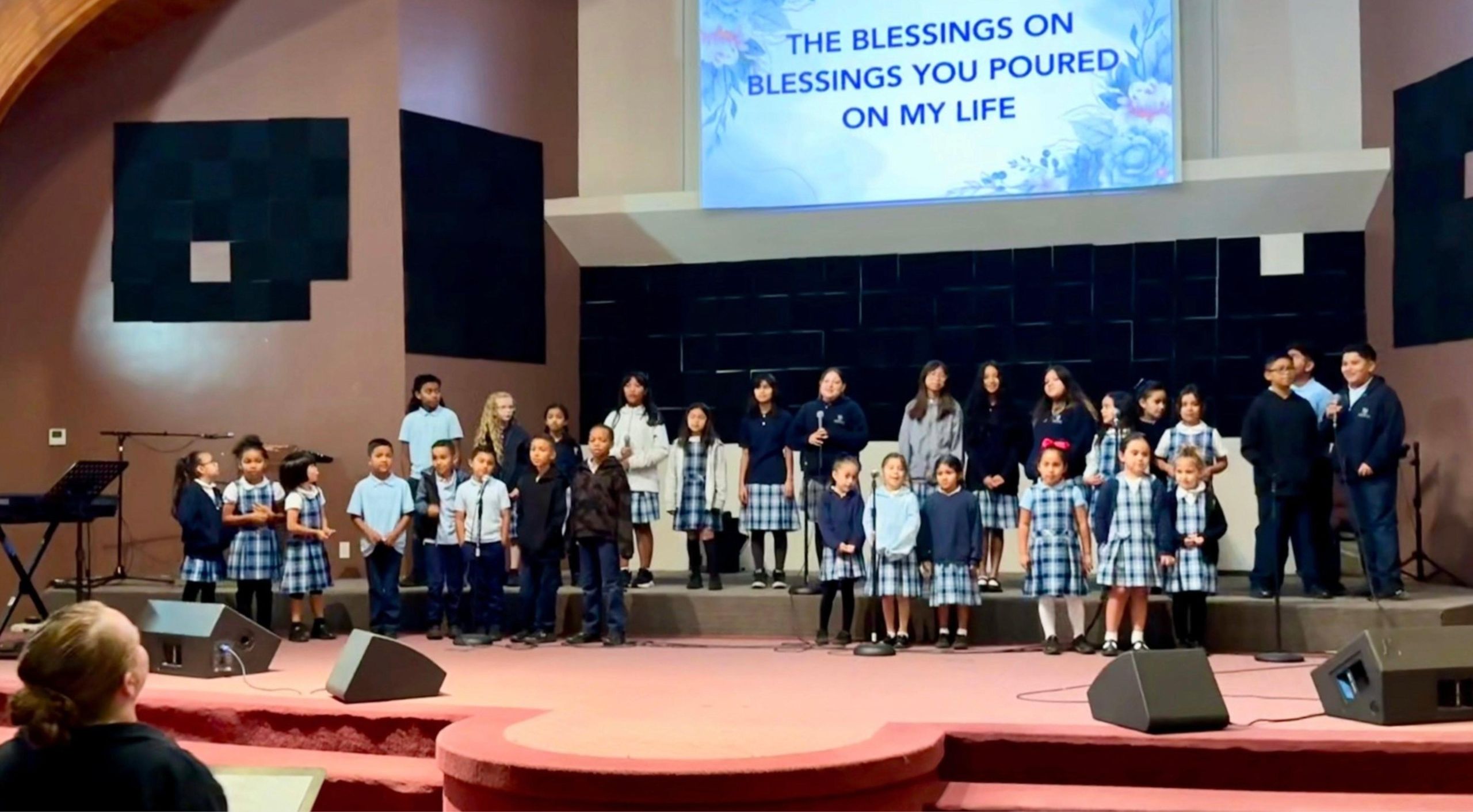
Every parent wants their child to succeed. But what does success really look like?
A strong GPA and academic trophies certainly matter, but the qualities that carry young people through life's biggest challenges (integrity, resilience, empathy, and the courage to lead) aren't measured on a standardized test. They're formed through intentional character education, and they make the difference between students who simply perform well and students who are genuinely prepared for the future.