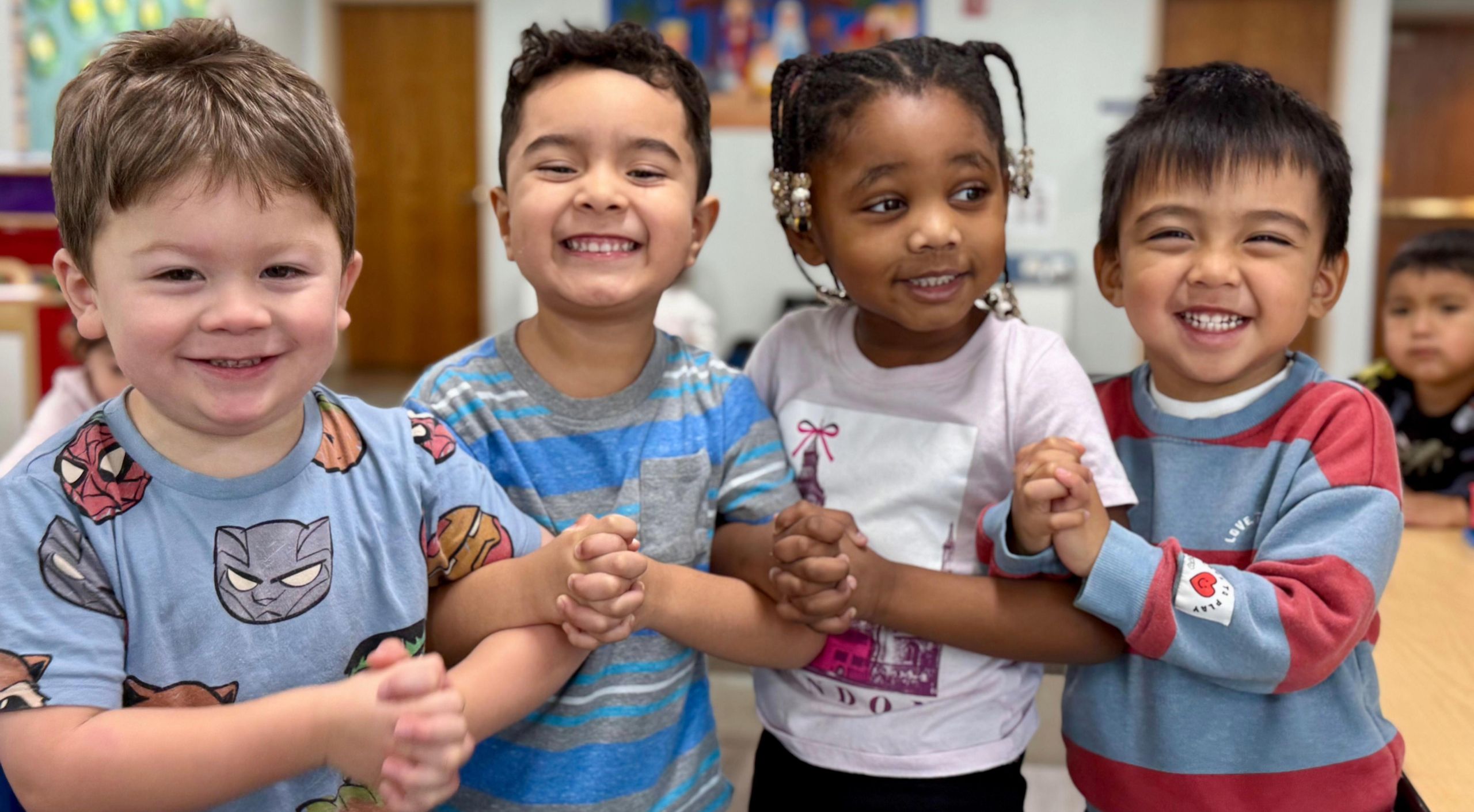
The moment a child takes their first steps into preschool marks more than just the beginning of formal education—it represents their entry into their very first community outside the family circle. For parents seeking a foundation that nurtures not only academic growth but also spiritual development, understanding how faith-based early childhood education shapes these formative community experiences becomes essential. Research consistently shows that the relationships and values children encounter during these crucial early years create lasting impressions that influence their social development, confidence, and sense of belonging for years to come.
1. Understanding Early Social Development
Between the ages of two and five, children undergo rapid social and emotional development that sets the stage for all future relationships. During this critical window, young minds are extraordinarily receptive to learning how to interact with others, understand social cues, and develop empathy. Child development experts emphasize that consistent, nurturing relationships during this period provide the security children need to explore, learn, and grow confidently.
Unlike older children who have already formed their basic understanding of social interactions, preschoolers are still developing their fundamental concepts of friendship, sharing, kindness, and belonging. Every interaction with teachers and peers becomes a learning opportunity that shapes their understanding of how relationships work. When these interactions occur within a faith-based environment, children learn not just the mechanics of social behavior but also the deeper principles of love, compassion, and service that guide meaningful relationships throughout life.
The Power of Consistent Relationships
Young children thrive on predictability and consistency. In high-quality preschool environments, teachers who truly know each child by name, personality, and individual needs create a sense of security that allows children to take social risks—like approaching a new friend or sharing a favorite toy. This personal attention helps children understand that they are valued members of a community, not just anonymous faces in a crowd.
Research from the National Association for the Education of Young Children shows that children who experience strong, consistent relationships with early childhood educators demonstrate higher levels of social competence and emotional regulation. These children learn to trust adults outside their family circle and develop the confidence to form positive relationships with peers. They understand that they belong to something larger than themselves, creating the foundation for lifelong community engagement.
2. The Role of Faith-Based Community in Early Childhood
Faith-based preschool environments offer something distinctly different from secular early childhood programs: the integration of spiritual principles that provide both comfort and guidance during these formative years. Young children possess a natural spirituality and openness to questions about purpose, meaning, and belonging that makes the preschool years particularly important for spiritual formation.
Age-Appropriate Spiritual Understanding
Preschoolers don't need complex theological concepts to benefit from faith-based community experiences. Instead, they thrive on simple, concrete expressions of faith that they can understand and apply. Stories about kindness, forgiveness, and caring for others provide frameworks for understanding how to treat friends and resolve conflicts. Songs and prayers create comforting routines that help children feel secure and connected to something greater than themselves.
When a preschooler learns that "God loves everyone," this concept translates directly into their social interactions. They begin to understand that their classmates deserve kindness because each person has inherent value. When they hear stories about helping others, they develop empathy and learn to notice when friends need comfort or assistance. These spiritual foundations create a unique type of community where children learn to see themselves and others through the lens of love and acceptance.
Building Character Through Community
Faith-based preschool communities naturally emphasize character development alongside social skill building. Children learn that being part of a community means taking care of one another, sharing resources, and including everyone in play. These aren't just rules imposed by adults but principles that flow from understanding their place in God's family.
Daily experiences like saying grace before meals, helping clean up toys, or comforting a crying friend become opportunities for character formation. Children learn that their choices affect others and that they have the power to make their community better through small acts of kindness. This understanding of personal responsibility within community creates a strong foundation for ethical decision-making throughout life.
3. Build Confidence Through Community Belonging
One of the most profound gifts that quality early childhood programs provide is helping children understand that they belong—not because of what they can do or how well they perform, but simply because they are valued members of the community. This unconditional acceptance becomes particularly powerful in faith-based settings where children learn they are loved by both their teachers and by God.
The Impact of Being Truly Known
Children flourish when they feel genuinely seen and understood. In smaller preschool communities where teachers can invest deeply in knowing each child's personality, interests, struggles, and dreams, children develop a strong sense of self-worth. They learn that their thoughts and feelings matter, that their unique contributions are appreciated, and that they have an important place in their community.
This personal attention creates a secure base from which children can explore new challenges and relationships. When a typically shy child knows their teacher believes in them, they're more likely to raise their hand or volunteer for a special task. When a child who struggles with sharing experiences patient guidance rather than harsh correction, they learn to see mistakes as opportunities for growth rather than failures that define them.
Safe Spaces for Expression
Faith-based preschool communities often excel at creating environments where children feel safe to express their authentic selves. The emphasis on acceptance and forgiveness means children can take emotional risks—like sharing their fears, asking difficult questions, or admitting when they've made mistakes—without fear of rejection or harsh judgment.
This emotional safety becomes crucial for healthy social development. Children who feel secure in their community are more likely to develop genuine friendships, stand up for others who are being treated unfairly, and seek help when they're struggling. They learn that vulnerability and authenticity are strengths rather than weaknesses, setting the stage for deep, meaningful relationships throughout their lives.
4. Social Skills Development in Faith-Based Settings
While all quality preschool programs focus on social skill development, faith-based environments offer unique advantages in teaching children how to navigate relationships with wisdom and compassion. The integration of spiritual principles provides both motivation and methodology for learning essential social skills.
Learning Kindness and Empathy
In faith-based settings, kindness isn't just a nice behavior—it's a reflection of how God treats people and how children are called to treat others. This deeper motivation helps children internalize prosocial behaviors rather than simply following rules to avoid consequences. When conflicts arise, teachers can help children understand not just what they should do differently but why caring for others matters.
Young children naturally struggle with perspective-taking, but faith-based environments provide concrete tools for developing empathy. Stories about compassion, lessons about the Golden Rule, and daily reminders about God's love for everyone help children gradually learn to consider others' feelings and needs. They begin to understand that their actions affect their friends' happiness and that they have the power to bring joy or sadness to their community.
Conflict Resolution Through Christian Principles
Preschoolers are still learning how to manage big emotions and navigate disagreements with peers. Faith-based programs offer unique resources for helping children handle conflicts constructively. Concepts like forgiveness, second chances, and making things right provide frameworks for moving beyond hurt feelings toward restored relationships.
When two children fight over a toy, faith-based teachers can help them understand not just the importance of sharing but also the deeper principles of caring for others and making peace. Children learn that saying "I'm sorry" means more than just magic words—it represents genuine concern for their friend's feelings and a commitment to do better. These early lessons in reconciliation and restoration create patterns that serve children well throughout their lives.
Building Inclusive Communities
Faith-based preschools often emphasize the concept that everyone belongs in God's family, which translates into particularly inclusive community practices. Children learn to welcome new students, include quiet or different peers in their play, and celebrate the unique gifts that each person brings to their community. This theological foundation for inclusion creates more than just policies—it shapes the actual culture of the classroom.
5. The Long-Term Impact of Early Faith Community Experience
The relationships and experiences children have during their preschool years create neurological pathways and emotional patterns that influence their development for decades to come. Research in developmental psychology shows that children who experience secure, nurturing community relationships during early childhood demonstrate better social skills, higher academic achievement, and greater emotional resilience throughout their lives.
Spiritual Formation Foundations
The preschool years represent what many child development experts call a "critical period" for spiritual formation. Children's natural openness to spiritual concepts, combined with their need for security and belonging, makes these years particularly important for establishing a foundation of faith that can sustain them through life's challenges.
Children who experience faith as part of their first community learn to associate spirituality with belonging, acceptance, and love rather than rules, judgment, or exclusion. They develop prayer habits, Scripture memory, and worship experiences that become natural parts of their lives. More importantly, they learn to see themselves as beloved children of God, creating an identity foundation that weathers the storms of adolescence and adulthood.
Relationship Patterns and Social Competence
The relationship patterns children learn in their first community experiences become templates for all future relationships. Children who learn to form secure attachments with caring teachers are more likely to develop healthy friendships, romantic relationships, and professional partnerships throughout their lives. They understand how to trust others appropriately, communicate their needs effectively, and contribute positively to group dynamics.
Studies tracking children from high-quality early childhood programs into adulthood show lasting benefits in social competence, leadership skills, and community engagement. Children who experienced nurturing early communities are more likely to become adults who create positive communities in their own families, workplaces, and neighborhoods.
Character Development and Moral Reasoning
The character formation that occurs during the preschool years creates the foundation for lifelong moral reasoning and ethical decision-making. Children who learn to consider others' needs, tell the truth even when it's difficult, and take responsibility for their mistakes develop internal compasses that guide them through complex situations throughout their lives.
Faith-based character development provides not just rules for behavior but motivations rooted in love and service. Children learn to make good choices not just to avoid punishment but because they care about others and want to honor God. This intrinsic motivation creates more sustainable patterns of ethical behavior than external reward systems alone.
6. Supporting Parents in Community Building
Quality faith-based preschool programs recognize that children's first and most important community is their family. Rather than competing with parents, excellent early childhood programs partner with families to reinforce values, support child development goals, and strengthen the home-school connection.
Consistency Between Home and School
When preschool programs align with family values and parenting goals, children benefit from consistent messages about character, relationships, and spiritual development. This consistency helps children internalize important lessons more quickly and reduces confusion about expectations in different settings.
Faith-based programs often excel at creating this consistency because they share fundamental values with families who choose Christian education. Parents can feel confident that their children are receiving messages about kindness, honesty, and respect that reinforce what they're teaching at home. This partnership approach helps children understand that their entire community—family, school, and faith community—is committed to helping them grow and thrive.
Build Family Community Networks
Preschool programs also create opportunities for families to build community with one another. Parent involvement activities, family events, and informal connections made through school create networks of support that benefit both children and adults. Children see their parents engaging with their school community, reinforcing the message that education and faith are family priorities.
These family connections often extend far beyond the preschool years, creating lasting friendships and support systems. Parents gain access to other families who share their values and commitment to their children's development. Children benefit from seeing their school friends in family settings, strengthening their own friendship bonds and sense of community belonging.
7. Frequently Asked Questions Regarding Faith at Preschool Age
How Do Young Children Understand Faith Concepts?
Preschoolers are naturally spiritual but think in very concrete terms. They understand faith through stories, songs, routines, and relationships rather than abstract theological concepts. Simple ideas like "God loves you," "we pray to talk to God," and "we help our friends" provide frameworks that young children can grasp and apply in their daily interactions.
What Role Do Teachers Play in Building Community?
Teachers in quality early childhood programs serve as community builders who help children learn how to belong to groups larger than their families. They model inclusive behavior, facilitate friendships, teach conflict resolution skills, and create classroom cultures where every child feels valued and important.
How Do Faith-Based Programs Handle Children From Diverse Backgrounds?
Quality faith-based programs welcome families from various backgrounds while maintaining their Christian identity. They focus on shared values like kindness, honesty, and caring for others that transcend cultural differences. Many programs celebrate diversity while helping all children understand core Christian principles.
What Makes Early Community Experiences Different From Later Ones?
Preschool represents children's first sustained experience in a structured community outside their family. The relationships and patterns they establish during these years create templates for all future community involvement. Early experiences carry more weight because children are still forming their basic understanding of how communities work.
How Can Parents Support Their Child's Community Development?
Parents can support community development by maintaining consistent values at home, encouraging friendships, modeling inclusive behavior, and staying involved in their child's early childhood program. Regular communication with teachers and participation in school activities helps children see their parents as partners in their community experience.
Do Children Need Religious Background to Succeed in Faith-Based Programs?
Children from all backgrounds can thrive in high-quality faith-based early childhood programs. While some familiarity with Christian concepts can be helpful, excellent programs meet children where they are and help them grow in understanding over time. The focus on character development and loving community benefits children regardless of their family's religious background.
8. Conclusion
A child's first experience of community beyond their family creates lasting impressions that shape their understanding of relationships, belonging, and their place in the world. When this first community experience occurs in a faith-based setting, children receive the added benefits of spiritual formation, character development, and value-based relationships that provide security and guidance throughout their lives.
The preschool years offer a unique window of opportunity for establishing patterns of faith and community that can sustain children through all of life's seasons. Children who experience themselves as beloved members of God's family, valued contributors to their classroom community, and capable friends and learners carry these identities forward into elementary school, adolescence, and adulthood.
For parents considering early childhood options, understanding the profound impact of these first community experiences becomes essential. The question isn't just what children will learn academically, but what they will understand about themselves, their relationships with others, and their connection to something greater than themselves. In faith-based preschool communities, children don't just prepare for kindergarten—they begin building the spiritual and social foundations that will guide them throughout their lives.
The investment parents make in their child's first community experience pays dividends far beyond the preschool years. Children who learn to belong, contribute, and thrive in loving faith communities become the adults who create healthy families, strong neighborhoods, and vibrant church communities. Their first faith community becomes the foundation for a lifetime of meaningful relationships and purposeful living.
Have questions or want to learn more? Reach out to us.